The healthcare industry is undergoing a major transformation driven by advanced manufacturing technologies. Among these innovations, 3D bioceramic printing has emerged as a promising solution for developing customized implants and bone graft materials that better address individual patient needs.
The healthcare industry is undergoing a major transformation driven by advanced manufacturing technologies. Among these innovations, 3D bioceramic printing has emerged as a promising solution for developing customized implants and bone graft materials that better address individual patient needs.
By combining digital design, biomaterials, and additive manufacturing, 3D bioceramic printing enables the creation of highly precise structures that support bone regeneration and improve clinical outcomes. As demand for personalized healthcare continues to grow, this technology is becoming increasingly important in orthopedic, dental, and regenerative medicine applications.
Understanding 3D Bioceramic Printing
3D bioceramic printing is an additive manufacturing process that uses biocompatible ceramic materials to fabricate complex structures layer by layer. Unlike traditional manufacturing methods, 3D printing allows healthcare professionals and engineers to create patient-specific solutions based on medical imaging data.
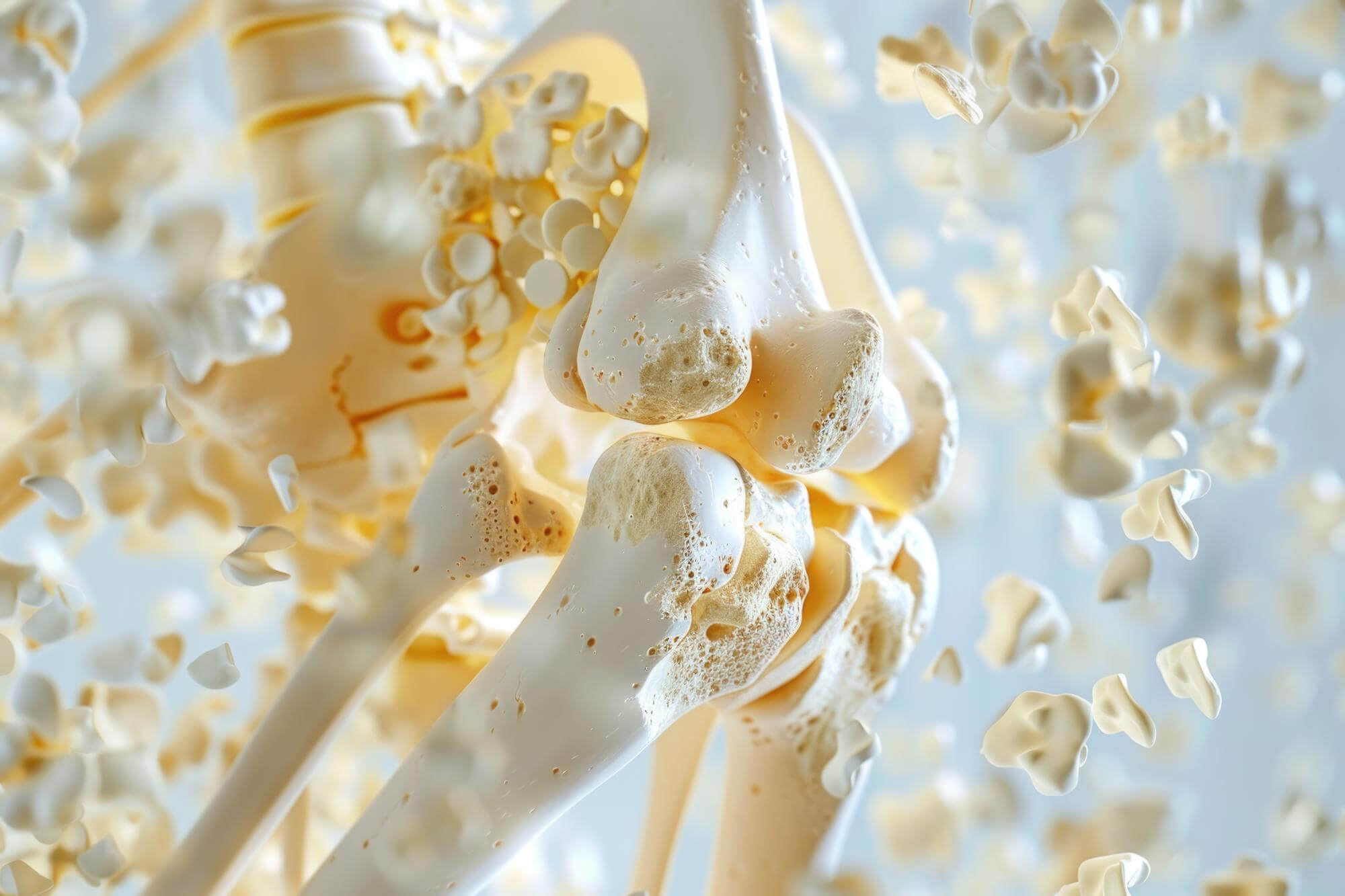
Bioceramics are widely recognized for their excellent biocompatibility and ability to support bone tissue regeneration. Common materials include hydroxyapatite, tricalcium phosphate, and other calcium phosphate-based compounds that closely resemble the mineral composition of natural bone.
How the Process Works
The process typically begins with medical imaging technologies such as CT or MRI scans. These images are converted into digital models that accurately represent the patient’s anatomy.
The digital model is then used to guide the printing process, creating a customized implant or scaffold with precise dimensions and internal structures designed to promote tissue integration.
Key Steps in the Workflow
- Medical imaging and data acquisition
- Digital design and modeling
- Material preparation
- 3D bioceramic printing
- Post-processing and quality validation
- Clinical application
Why Bioceramics Are Important in Bone Regeneration
Bone defects can result from trauma, infection, tumor removal, or congenital conditions. Traditional treatment options often involve autografts or allografts, which may present limitations such as donor site morbidity, limited availability, or compatibility concerns.
Bioceramic materials offer a promising alternative due to their ability to support new bone formation while gradually integrating with surrounding tissue.
Advantages of Bioceramic Materials
- Excellent biocompatibility
- Osteoconductive properties
- Customizable geometry
- Reduced surgical complexity
- Potential for patient-specific treatment
Supporting Personalized Medicine
One of the greatest advantages of 3D bioceramic printing is its ability to create implants tailored to individual anatomical requirements. Personalized solutions can improve implant fit, enhance stability, and potentially reduce recovery time.
Applications in Modern Medicine
As technology continues to evolve, 3D bioceramic printing is finding applications across multiple medical disciplines.
Orthopedic Applications
Orthopedic surgeons can utilize customized implants and bone graft substitutes for treating complex bone defects, fractures, and reconstructive procedures.
Dental Applications
In dentistry, bioceramic materials are increasingly used for bone augmentation, implant support structures, and maxillofacial reconstruction.
Regenerative Medicine
Researchers are exploring advanced scaffold designs that encourage cellular growth and tissue regeneration, opening new possibilities for future therapies.
Comparison of Conventional Methods and 3D Bioceramic Printing
The following table highlights key differences between traditional bone repair approaches and modern 3D bioceramic printing technologies.
| Feature | Traditional Bone Grafts | Standard Synthetic Materials | 3D Bioceramic Printing | Customized Bioceramic Implants | Regenerative Medicine Scaffolds | Digital Design Integration | Patient-Specific Manufacturing | Future Development Potential |
|---|---|---|---|---|---|---|---|---|
| Customization | Limited | Low | High | Very High | Very High | High | Excellent | Excellent |
| Anatomical Fit | Moderate | Moderate | High | Excellent | Excellent | Excellent | Excellent | Excellent |
| Biocompatibility | High | Moderate | High | High | High | High | High | High |
| Osteoconductivity | High | Variable | High | High | High | High | High | High |
| Manufacturing Flexibility | Low | Moderate | High | High | High | High | Excellent | Excellent |
| Surgical Efficiency | Moderate | Moderate | High | High | High | High | High | High |
| Digital Workflow Compatibility | Low | Low | High | High | High | Excellent | Excellent | Excellent |
| Scalability | Limited | Moderate | High | High | High | High | High | High |
| Research Opportunities | Moderate | Moderate | High | High | Very High | Very High | Very High | Excellent |
| Future Clinical Impact | Moderate | Moderate | High | High | Very High | Very High | Very High | Excellent |
The Future of 3D Bioceramic Printing
The integration of advanced biomaterials, digital design technologies, and precision manufacturing is reshaping the future of healthcare. As research progresses, 3D bioceramic printing is expected to play an increasingly important role in personalized medicine, bone regeneration, and next-generation medical devices.
By enabling customized solutions that address complex clinical challenges, this technology has the potential to improve treatment outcomes while supporting more efficient and patient-centered care.